Ardous Engineering and Research LLC provides advanced materials R&D, physics-based thermal and radiative modeling, high-fidelity simulation, and rigorous verification for companies developing advanced thermal, electrochemical, and electromagnetic hardware.
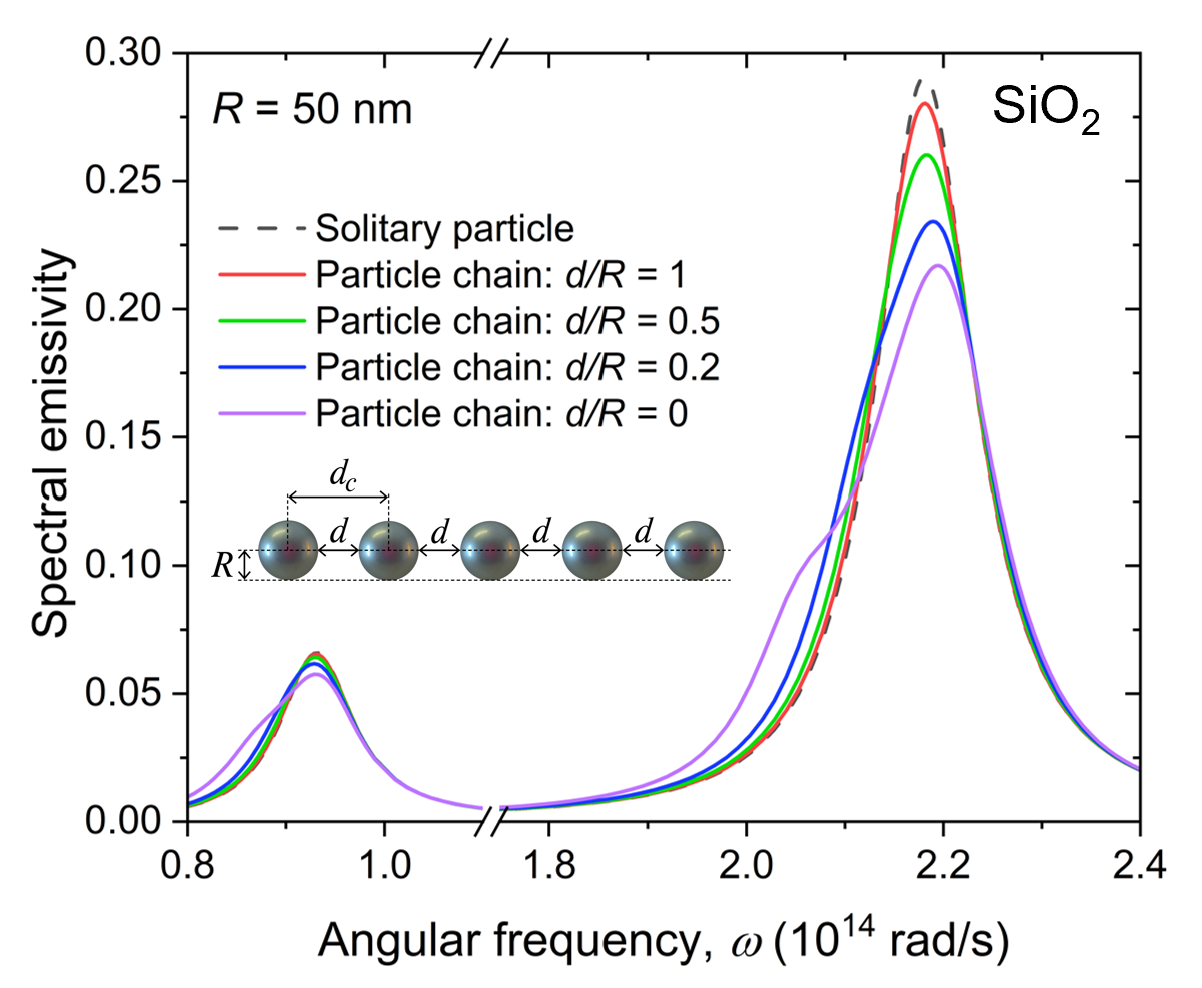
Physics-based computational models for thermal emission and radiative heat transfer, built from first principles using fluctuational electrodynamics. The Principal Engineer developed and characterized nanostructured silicon carbide (SiC) and silicon dioxide materials for thermal emission control. The original research has results published in Physical Review B, the Journal of Applied Physics, and the Journal of Quantitative Spectroscopy and Radiative Transfer. These methods apply directly to thermophotovoltaic emitter design, plasma-facing component radiative loads, reactor component thermal analysis, fuel cladding radiative properties, and high-temperature thermal systems. USPTO patent filing held by Principal Engineer Dr. Joseph McKay.
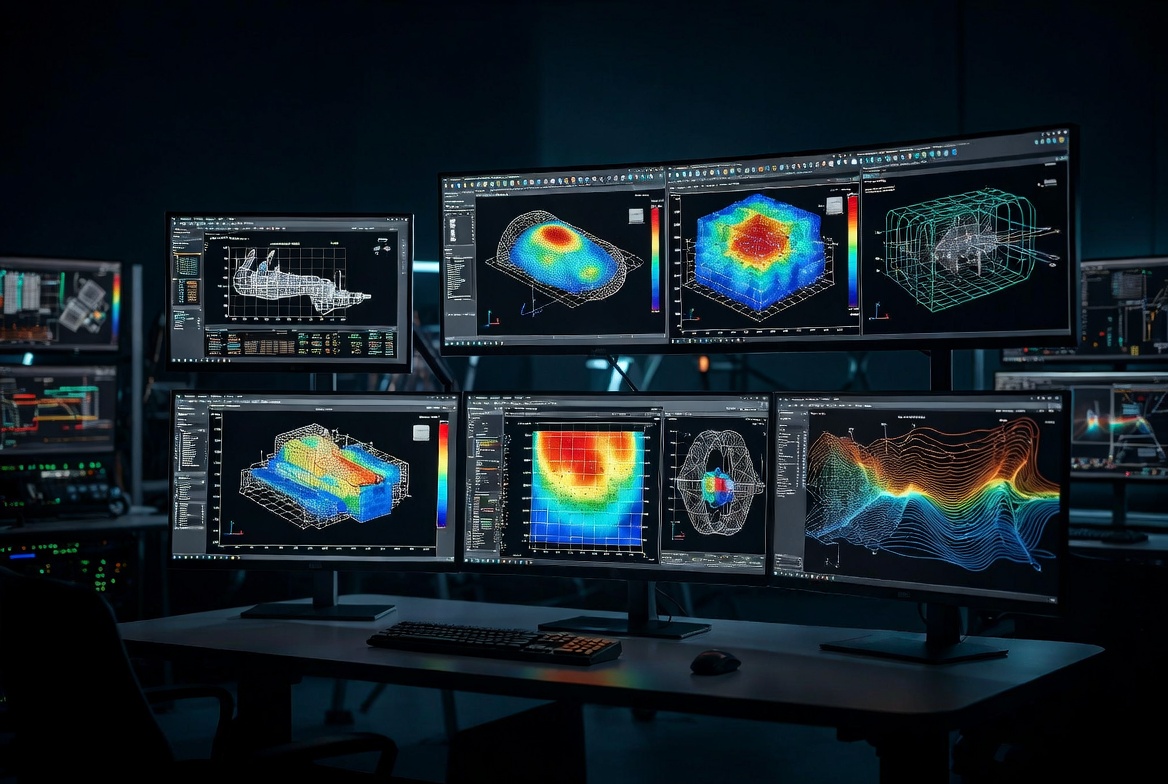
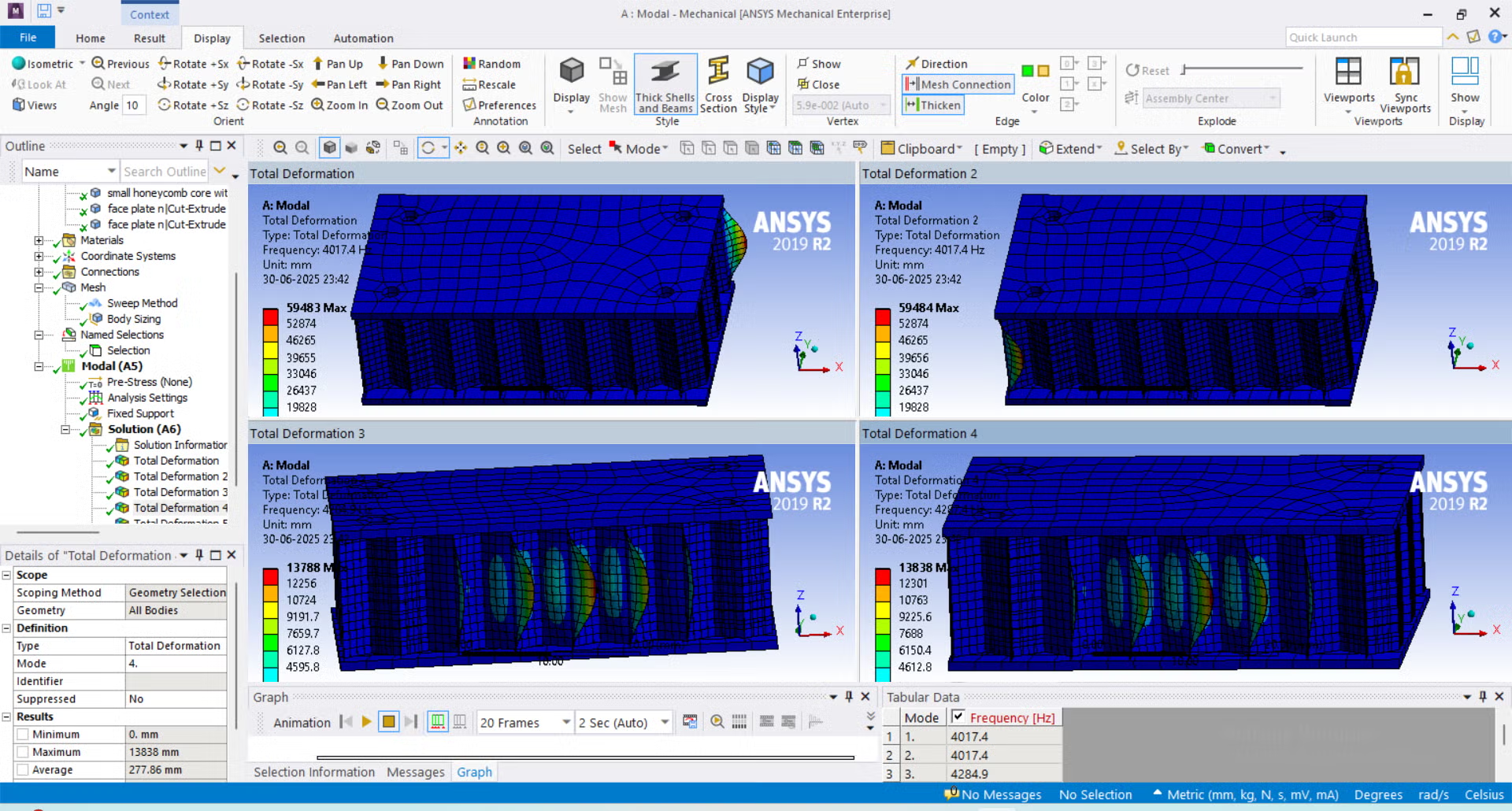
Ansys Mechanical for finite element analysis (FEA) including linear stress, vibration, and thermal loading. Ansys Fluent for computational fluid dynamics (CFD) and fluid-thermal coupling. Custom MATLAB simulation frameworks for problems where commercial tools are insufficient. The Principal Engineer has executed large-scale simulations on high performance computing (HPC) clusters. For production work requiring HPC resources, we coordinate cloud-based or partner computing access as needed.
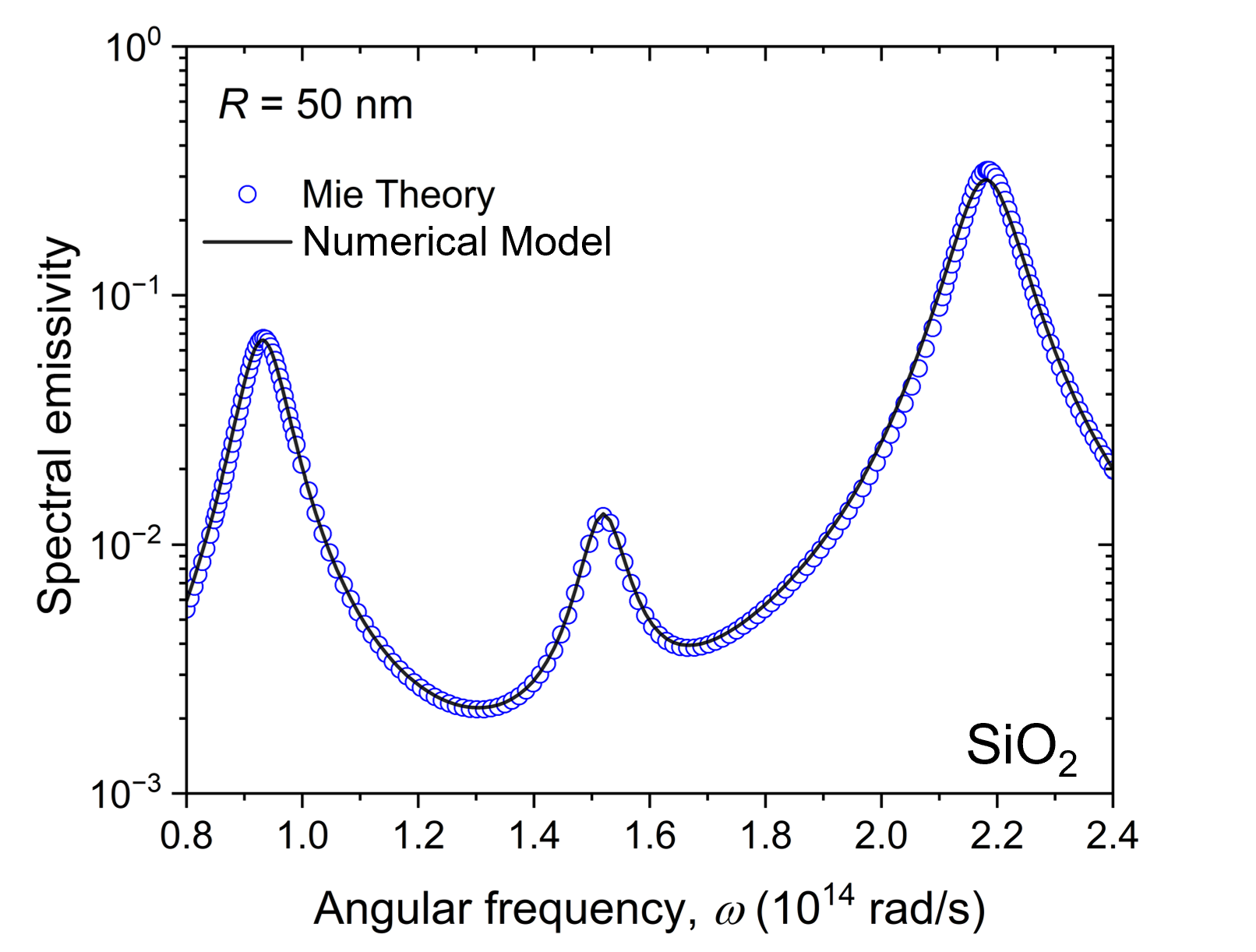
Complete verification and validation (V&V) packages: convergence testing, mesh-sensitivity studies, benchmarking against analytical solutions and peer-reviewed datasets, uncertainty quantification (UQ), and risk documentation. These practices have produced results that withstood journal peer review and supported milestone deliveries on externally funded research, and follow ASME V&V standards, with deliverables organized for traceability and defensibility under technical review.
Ardous Engineering and Research LLC translates concepts of operations (ConOps) and product requirements into design-of-experiments plans, technical requirements, and verification and test strategies, so the modeling effort targets the decisions that actually matter for your hardware, the same rigor that carried requirements and verification plans.
We embed our Principal Engineer as a subject-matter expert on your team and deliver milestone-based work with clear documentation and regular progress reporting. Most engagements start with a fixed-scope pilot.


Bring us the thermal, radiative, or electromagnetic problem your current tools can't crack, and we'll tell you straight whether we can help.